
What Is Percale Material and Why It Matters for Your Sheets
Percale is a type of weave, not a specific fiber. It gives sheets a crisp, matte finish and a cool feel that many people prefer for warm sleepers and hot climates. This guide explains what defines percale, how it compares to other weaves, and how to pick quality percale sheets.
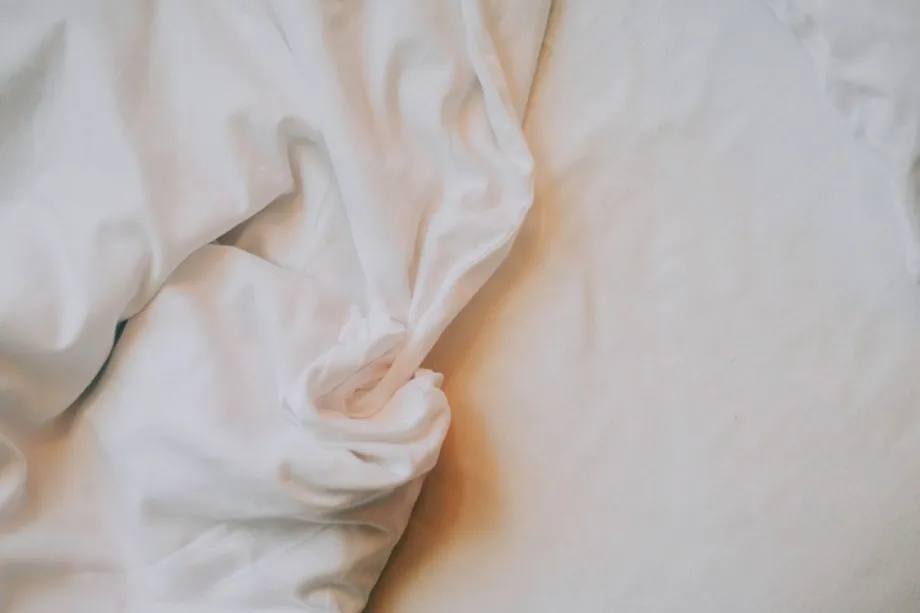
What exactly is percale?
Percale is not a fiber but a specific weave: a plain, one-over-one-under pattern in which each weft thread passes over a single warp thread and then under the next. The weave itself creates a flat, even surface with no visible diagonal or sheen. By convention, a fabric is called percale only when it meets a minimum thread count of 180 threads per square inch, though quality sheets typically run from 200 to 400.
The tight grid gives percale its signature crisp hand feel. You notice it the moment you touch the sheet: a cool, smooth surface that feels dry rather than slick. Over time the fabric softens with every wash while keeping its matte look. Because the weave is balanced and dense, percale resists pilling better than loosely woven alternatives and holds its shape through years of use.
How does percale feel compared to sateen?
Percale feels crisp, cool, and matte against the skin. The one-over-one-under weave lets air circulate freely, so the fabric stays breathable and does not cling. It has a light paper-like rustle when you move, and it grows softer with every wash without losing that dry, fresh finish.
Sateen, by contrast, feels silky and noticeably warmer. Its four-over-one-under weave puts long yarn floats on the surface, which gives the fabric its characteristic luster and a smooth, almost slippery hand. That same dense structure traps more body heat, making sateen a common choice for cooler months. Our satin, percale, and sateen comparison breaks down the structural differences in more detail.
You can tell them apart by touch: percale has no shine and feels distinctly cool when you first slide in, while sateen has a subtle sheen and a warmer initial touch. If you sleep hot or live in a warm climate, percale is usually the more comfortable option.
What fibers are used for percale sheets?
Percale describes the weave, not the raw material, so the fiber choice determines how cool, crisp or soft the sheet actually feels. Most quality percale is made from cotton because cotton breathes well and gains softness with every wash. Long-staple varieties such as Egyptian or Supima cotton produce fewer fiber ends on the surface, which makes the fabric smoother and less prone to pilling over time.
Blends and plant-based alternatives change the character of percale noticeably. Each fiber brings a different balance of texture, durability and temperature regulation.
- Long-staple cotton. Standard upland cotton works, but long-staple cotton (Egyptian, Supima) gives a smoother hand and stronger yarns that resist fuzzing after repeated washing.
- Organic cotton. Grown without synthetic pesticides, it delivers the same crisp feel as conventional cotton. The difference is in farming practices, not in the weave structure.
- Linen. A linen percale feels noticeably more textured and airy than cotton. It wicks moisture faster and sleeps cooler, though it wrinkles more sharply.
- Tencel (lyocell). Made from wood pulp, Tencel percale is silkier and drapes closer to the body than cotton. It is a good pick for people who want the breathability of percale with a cooler, smoother touch.
- Cotton-polyester blends. Polyester adds wrinkle resistance and cuts cost, but it reduces breathability. The sheet will feel warmer and less crisp than pure cotton percale.
What should I check when buying percale sheets?
A label that says percale tells you about the weave, not the fiber quality. You still need to check what the sheet is made of and how it was finished. Four details separate a crisp, long-lasting sheet from one that feels rough or pills after a few washes.
- Fiber staple length. Long-staple or extra-long-staple cotton produces fewer loose fiber ends, so the sheet stays smoother and sheds less lint over time.
- Thread count range. Percale sheets work best between 200 and 400. Below 200 feels coarse; above 400 in a plain weave often means the manufacturer twisted thin, weak yarns to inflate the number.
- Weave tightness. Hold the fabric up to a light. A tight percale weave blocks most of the light and feels dense without being heavy.
- Finish. Look for mercerized and singed cotton. Mercerizing strengthens the yarn and adds a subtle sheen, while singeing removes the fuzz that causes pilling.
If the packaging mentions none of these, the sheet is likely a basic percale that will soften slowly and may wear out faster. A well-made percale starts crisp and stays smooth through years of washing.
Does percale wrinkle more than other weaves?
Percale wrinkles more than sateen because of its one-over-one-under plain weave. The fabric has fewer floating yarns on the surface, so creases form along the tight grid of threads and stay visible until the sheet is stretched or ironed. Sateen, with its longer thread floats, hides wrinkles better and looks smoother straight out of the dryer.
Fiber choice makes a difference. Long-staple cotton and cotton-polyester blends bounce back faster and show fewer creases than short-staple cotton. Taking percale sheets out of the dryer while they are still slightly damp and folding them right away keeps wrinkles to a minimum. A warm iron removes the rest, though many people skip this step.
A lightly rumpled look is part of percale's charm. The crisp matte texture and the cool, airy feel matter more to people who choose this weave than a perfectly flat hotel finish. If you want sheets that stay smooth with no effort, choose sateen.
How do I wash and care for percale sheets?
Wash percale sheets in cool or warm water to protect the fibers and keep the weave tight. Use a mild liquid detergent and skip the fabric softener altogether. Softeners coat the yarns with a waxy film that traps heat and makes the fabric limp, undoing the crisp finish of a good percale.
Dry the sheets on a low-heat setting and pull them out while they are still slightly damp. Shake each piece out, fold it flat, or put it straight onto the bed. Line drying works even better, leaving fewer creases than a hot dryer cycle. If you iron, use a medium setting while the fabric is damp for the smoothest result.
- Machine wash in cool water, 30-40 °C.
- Choose a mild liquid detergent without optical brighteners.
- Do not use fabric softener or dryer sheets.
- Tumble dry on low heat and remove promptly.
- Line dry indoors or in the shade to avoid sun bleaching.
- Iron on a cotton setting while slightly damp, if needed.
Frequently asked questions
Is percale a type of cotton?
No, percale describes the weave, not the fiber. You can find percale sheets made from cotton, linen, Tencel, or blends. The weave is what gives the fabric its crisp, matte character, while the fiber determines softness, breathability, and durability.
What thread count is best for percale sheets?
A thread count of 200 to 400 usually works best for percale. Below 200 can feel rough, and above 400 often means the manufacturer used thinner plies or inflated the number. The quality of the cotton matters more than the thread count alone.
Are percale sheets good for hot sleepers?
Yes, percale sheets are a good choice for hot sleepers. The plain weave leaves tiny gaps between the threads, which lets air circulate and heat escape. Paired with a breathable fiber like long-staple cotton or linen, percale feels noticeably cooler than tighter weaves such as sateen.
Do percale sheets get softer over time?
They do. High-quality percale made from long-staple cotton becomes softer with every wash without losing its crisp structure. The first few washes remove the mill finish, and after that the fabric gradually relaxes while keeping its matte look and cool feel.