
Loungewear and the textiles of a slow evening
A cotton dressing gown on the back of a door, a wool rug underfoot and heavy curtains drawn at dusk do more for a quiet evening than any amount of decorating.
Fibres for evening wear
What you change into at the end of the day sits against the skin for hours. Natural fibres take up a little moisture and let heat move, which is why they tend to stay comfortable from supper until bed. The weave matters as much as the fibre.
Cotton poplin, sateen and flannel
Poplin is a fine plain-weave cotton. Its tight, simple structure feels crisp and smooth, and air passes through it easily, so poplin pyjamas stay cool and keep a neat shape. They suit warm evenings and well heated homes.
Sateen floats several threads over one, giving a soft sheen on the face of the cloth. It drapes closer to the body than poplin and feels a touch warmer, with weight but not bulk.
Flannel, or brushed cotton, is made for the cold. After weaving, the surface is brushed to raise the fibre ends into a soft nap. That nap holds a thin layer of still air against the skin, so the fabric feels warm the moment you put it on while still breathing.
Linen and silk
Linen comes from the stem of the flax plant. Its fibres are stiffer than cotton, so linen pyjamas and robes stand slightly away from the body and let air circulate underneath. Linen takes up moisture readily and dries fast, which makes it pleasant on close summer nights. It starts crisp and softens with each wash.
Silk is a protein filament spun by silkworms. It is smooth enough to slide over the skin with almost no friction, adjusts quickly to body temperature and feels cool in summer and gently warm in cooler months. Its weakness is care: silk dislikes heat, strong sunlight and harsh detergents.
Robes for different moments
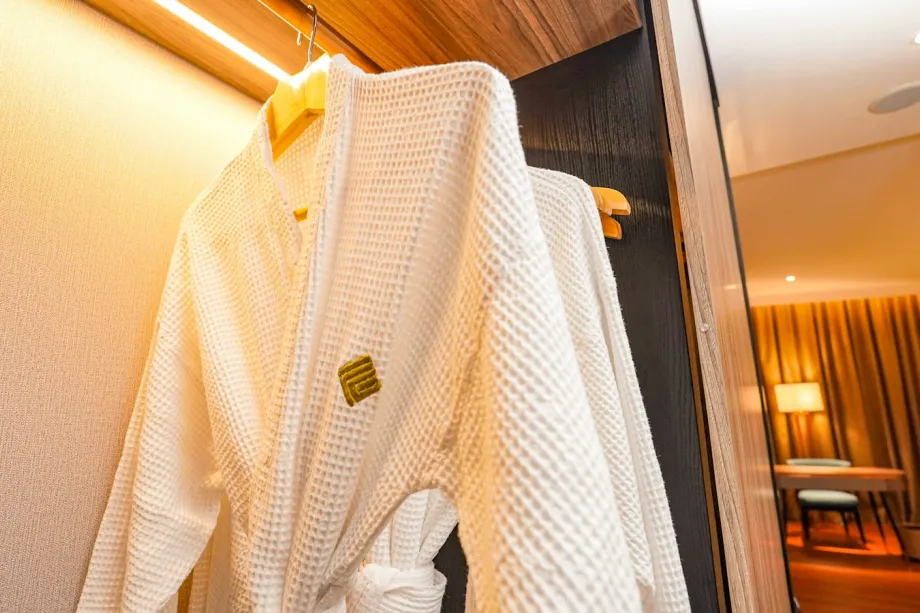
A dressing gown is chosen for when it will be worn. Cotton terry, looped like a towel, is the one to reach for after a bath because it soaks up water from the skin. Waffle cotton is lighter, dries quickly and suits warmer homes or packing for a trip. For long winter evenings on the sofa, a brushed cotton or wool-blend robe holds warmth far better than either. A robe that reaches below the knee keeps legs warm when sitting; a shorter one is easier around the house in the morning. Deep pockets and a tie belt that stays put are small details that decide whether a robe gets worn every day.
Looking after loungewear
Soft garments stay soft when they are washed gently. Heat is the main enemy.
- Wash cotton pyjamas at the temperature on the label with a mild detergent.
- Turn printed and brushed pieces inside out before washing.
- Hand wash silk, or use a delicate programme with a detergent made for silk and wool.
- Hang linen while still damp so the creases fall out as it dries.
- Keep brushed cotton out of a hot dryer, which wears away the nap.
A garment steamer often suits loungewear better than an iron. Pressing flattens the nap of flannel and takes the relaxed, matte look out of washed linen, while steam smooths the worst creases and leaves the fabric soft.
Textiles around the room
Clothing is only the first layer. Floors, windows and seating either reflect sound and let warmth escape, or soften the room and hold the heat in.
Rugs and curtains
Hard floors bounce sound around a room, so footsteps and voices carry. A dense rug absorbs part of that sound and makes the space feel noticeably calmer. Wool rugs also feel warm underfoot and take the chill off draughty floorboards. A rug in front of the sofa or beside the bed creates a quiet patch exactly where you spend the evening.
Windows lose a lot of heat on winter nights. Lined curtains in a heavy cotton, wool or velvet trap a layer of air against the glass and stop cold air sliding down onto the floor. Drawing them at dusk keeps the warmth of the day in the room for longer.
Seating textiles
A few textiles within reach of the sofa let everyone adjust their own comfort without touching the thermostat. A light cotton blanket is enough for a mild evening; a wool throw takes over when the room cools. Cushions in different textures, such as washed linen, bouclé or a chunky knit, give the eye and hand something to rest on and make a plain sofa feel inviting.
Keep these pieces simple to clean. Removable cushion covers and throws that can be aired or washed mean they get used rather than saved for best.
Swapping with the seasons
Changing household textiles twice a year keeps a home in step with the weather and stops the bedroom feeling stuffy in summer or bare in winter.
In spring, put away brushed cotton pyjamas, heavy throws and velvet cushion covers. Bring out linen robes, cool cotton bedding and lighter curtains. Pale colours and open weaves let in more light and air.
In autumn, reverse the swap. Flannel pyjamas replace poplin, a wool rug goes back down, lined curtains return and an extra blanket waits at the foot of the bed. Small changes like these make long, dark evenings feel settled rather than something to get through.
Frequently asked questions
What is the most breathable fabric for pyjamas?
Plain-weave cotton such as poplin and open-weave linen let air move freely and stay cool on warm nights. Brushed cotton is warmer and better kept for winter.
How often should pyjamas be washed?
Pyjamas worn next to the skin need washing more often than a dressing gown worn over clothes. Many people wash pyjamas after a few nights and robes less frequently, adjusting for the weather and how warm they sleep.
Can soft furnishings make a room quieter?
Yes. Thick rugs, lined curtains and upholstered furniture absorb some sound and reduce echo, which makes a room with hard floors and bare walls feel calmer.
How should brushed cotton pyjamas be dried?
Air drying is gentlest. Hot tumble drying wears down the raised surface that gives brushed cotton its softness, so follow the care label and use low heat if you use a dryer at all.