
Sateen Weave vs Percale: Which Sheets Feel and Sleep Better
Sateen sheets feel silky, smooth, and slightly warm, while percale sheets are crisp, cool, and matte. You choose between a drapey fabric with a subtle sheen and a breathable, hotel-style fabric that resists heat. We compare both weaves across feel, durability, and care so you can pick the right set for your sleep.
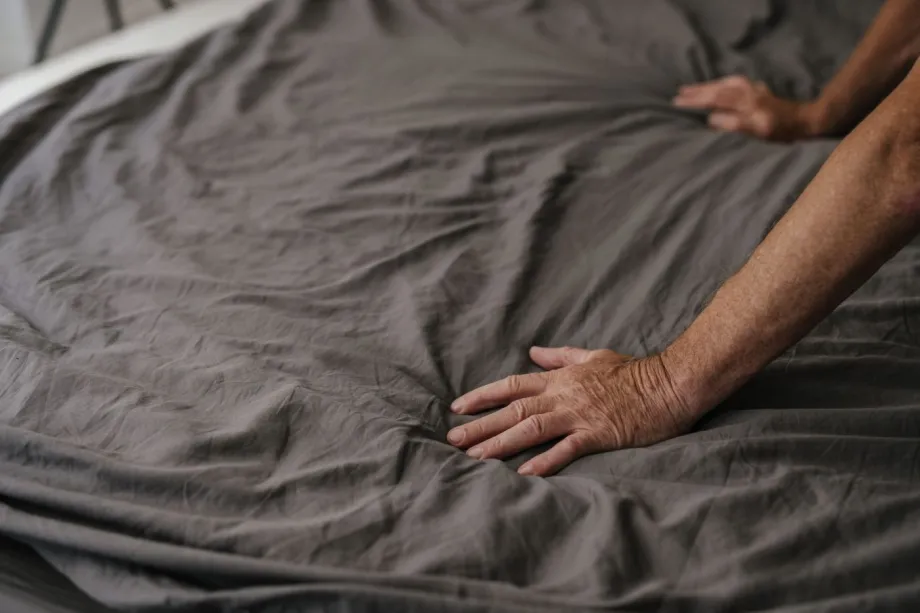
What is the actual difference between sateen and percale?
Sateen and percale are not fibers. Both terms describe the weave structure, and both fabrics are most often made from cotton. The weave gives each sheet its distinct feel, look, and performance, even when the raw material is identical.
In a sateen weave, one horizontal thread passes over three or four vertical threads before going under one. This four-over-one-under pattern leaves long, exposed yarn segments on the surface. Those floating threads create the signature silky, smooth hand and a subtle luster. Percale uses a plain one-over-one-under grid, the same tight basket weave found in classic dress shirts. Every thread crosses its neighbor at a right angle, producing a clean, matte finish and a crisp, cool touch that feels more textured than sateen.
The structure also explains why the two weaves behave differently. Sateen’s long floats reflect more light and trap more body heat, while percale’s flat, open grid lets air pass through. Both are standard cotton weaves, but the thread arrangement alone makes a sheet feel buttery and drapey or fresh and papery.
Which weave feels softer and which one sleeps cooler?
Sateen sheets feel smoother and have a subtle sheen because the weave exposes more of the long vertical yarns to the surface. This gives the fabric a drapey, almost liquid hand that many people describe as silky right out of the package. Percale, with its plain one-over-one-under weave, has a crisp, matte finish and a lighter, papery hand. It does not feel slick against the skin, but it gets noticeably softer with every wash cycle.
The same structural difference changes how the two weaves handle body heat. Percale breathes more freely: the simple grid leaves tiny gaps that let air circulate and wick moisture away, keeping the sheet cool to the touch. Sateen’s tight, yarn-packed surface holds a thin layer of warm air close to the body, so it traps more heat. For hot sleepers or humid climates, percale is the cooler choice. If you tend to feel chilly at night, sateen’s warmth retention helps.
How do sateen and percale compare in durability and pilling?
Percale sheets outlast sateen sheets and pill less. The tight, plain weave of percale locks each yarn in place with equal tension, so the surface resists abrasion. A well-made percale set can stay smooth for years with normal use.
Sateen's four-over-one-under structure creates long yarn floats on the surface. Those exposed floats feel soft but rub against skin and other bedding, which gradually frays the fibers. Even high-quality sateen made from long-staple cotton may show light pilling earlier than a percale sheet of the same thread count.
Fiber length matters more than weave alone. Long-staple cotton, whether in percale or sateen, resists pilling because the fibers are longer and fewer ends protrude from the yarn. Short-staple cotton in either weave pills faster, but the effect is more visible on sateen because the longer floats give pills more room to form.
Do sateen sheets wrinkle more than percale?
Sateen sheets resist wrinkles far better than percale. The four-over-one weave creates long, uninterrupted floats of yarn on the surface, which gives the fabric a smooth drape that does not hold creases. Percale, with its plain one-over-one weave and matte finish, has a crisper hand that wrinkles more readily, especially after a full night of sleep.
To keep percale sheets looking neat, pull them from the dryer while they are still slightly damp and fold them immediately or put them on the bed. A warm iron works well, but skipping the dryer's cool-down phase usually does the job. Sateen needs less attention: shake the sheet once before drying and remove it promptly. If a few creases bother you, a quick pass with a steamer while the sheet is on the bed is enough.
Which weave works best for different types of sleepers?
Percale is the practical choice if you sleep hot, live in a humid climate, or simply prefer a crisp, airy feel against your skin. The open plain weave lets body heat escape instead of trapping it, so the fabric stays noticeably cooler through the night. Children often sleep warmer than adults, which makes percale a sensible default for kids' rooms.
Sateen suits a different rhythm. Its dense, smooth surface holds warmth closer to the body and feels soft from the first night without a break-in period. That gentle drape works well for cold sleepers, drafty bedrooms, or anyone who wants a cozy, hotel-like bed year-round. Guest rooms are a natural fit: sateen gives visitors the sense of a thoughtful upgrade without requiring special care instructions.
- Hot sleepers and humid climates: percale breathes freely and moves moisture away from the skin.
- Cold sleepers and cool seasons: sateen holds body heat and feels warm the moment you slide in.
- Kids' rooms: percale stands up to frequent washing and keeps a child from overheating.
- Guest rooms: sateen looks polished straight out of the linen closet and feels inviting to anyone.
- Couples with different preferences: a percale fitted sheet with a sateen top sheet balances temperature and softness.
How do you wash and care for sateen vs percale sheets?
Both weaves are made from cotton and share the same basic care rules: machine wash in cool or warm water, tumble dry on low, and remove promptly to prevent wrinkles from setting. The difference lies in how each weave responds to friction and heat over time.
Sateen sheets have a four-over-one thread pattern that leaves long floats of yarn on the surface. Those floats are what give sateen its soft sheen, but they are also more vulnerable to abrasion. Wash sateen on a gentle or delicate cycle to reduce surface wear, and separate dark colors from lighter loads for the first few washes. Percale has a plain one-over-one weave with no exposed floats, so it tolerates a normal wash cycle without extra caution.
For both weaves, skip the fabric softener. It coats cotton fibers with a waxy film that traps heat and blocks the breathability you chose cotton for in the first place. High heat is equally harmful: it weakens cotton fibers and accelerates pilling, particularly on sateen. Dry on low heat and take the sheets out while they are still slightly damp if you prefer to press them, or let them finish the cycle and fold them right away.
- Wash sateen on a gentle cycle with cool or warm water; percale can go on a normal cycle.
- Separate dark sateen sheets from lighter items during the first few washes to prevent lint transfer.
- Skip liquid fabric softener and dryer sheets to keep cotton fibers breathable and absorbent.
- Tumble dry both weaves on low heat and remove them before the cycle ends if you want to minimize wrinkles.
- Fold or spread the sheets immediately after drying to avoid deep creases that are harder to smooth out later.
- Store sheets in a dry, ventilated closet away from direct sunlight to preserve color and fiber strength.
Frequently asked questions
Is sateen the same as satin?
No. Sateen is a weave made from cotton, while satin is a weave typically made from filament fibers like silk or polyester. A sateen sheet is 100% cotton with a smooth, slightly lustrous face, whereas a satin sheet has a high gloss and a slippery feel.
Do sateen sheets make you sweat?
They can trap more body heat than percale because the weave has fewer exposed yarn surfaces for air to pass through. If you sleep hot, look for a sateen set labeled as lightweight or choose percale instead for better airflow.
Why do hotel sheets feel so crisp?
Hotels almost always use percale sheets in a medium to high thread count. The one-over-one weave creates a matte, cool, papery crispness that feels clean and fresh, and it stands up well to frequent industrial laundering.
Can I mix sateen and percale on the same bed?
Yes. Many people use a percale fitted sheet for breathability and a sateen top sheet or duvet cover for softness. The two weaves look slightly different, but the combination works well if you want the benefits of both.